VALENCIA, PAST and FUTURE


Ranking as third Spain's biggest city, it gathers together ancient monuments, mainly of Gothic style like towers, churches, silk exchange building, etc, elegant buildings of early twentieth century, many with Art Deco decorations, and the futuristic complex of the City of Arts and Sciences, an entertainment-based cultural and architectural complex, situated at the end of the former riverbed of the river Turia, which was drained and rerouted.
The complex comprises:
  • L'Hemisfèric (1998) — Cinema, planetarium and laserium, meant to resemble a giant eye, Its design resembling an eyelid that opens to access the surrounding water pool. The bottom of the pool is glass, creating the illusion of the eye as a whole.
  • El Museu de les Ciències Príncipe Felipe (2000) — Is an interactive museum of science that resembles the skeleton of a whale. It occupies around 40,000 m² on three floors. The building is made up of three floors . The first floor has a view of the Turia Garden that surrounds it. The second floor hosts “The Legacy of Science” exhibition by the researchers. The third floor is known as the “Chromosome Forest” which shows the sequencing of human DNA. Also on this floor is the “Zero Gravity,” the “Space Academy,” and “Marvel Superheroes” exhibitions. The building’s architecture is known for its geometry, structure, use of materials, and its design around nature.
  • L'Umbracle (2001) — an open structure enveloping a landscaped walk with plant species indigenous to Valencia (such as rockrose, lentisca, rosemary, lavender, honeysuckle, bougainvillea, palm tree). It harbors in its interior The Walk of the Sculptures, an outdoor art gallery with sculptures by contemporary artists.
  • L'Oceanogràfic (2003) — an open-air oceanographic park, designed by Félix Candela. It is the largest oceanographic aquarium in Europe with 110,000 square meters and 42 million liters of water. It was built in the shape of a water lily. Each building represents different aquatic environments including the Mediterranean, Wetlands, Temperate and Tropical Seas, Oceans, the Antarctic, the Arctic, Islands and the Ted Sea. This aquarium is a home to over 500 different species including dolphins, belugas, sawfish, jellyfish, starfish, sea urchins, walruses, sea lions, seals, penguins, turtles, sharks,and rays. It also inhabits wetland bird species.

MONTEVIDEO, capital of Uruguay:

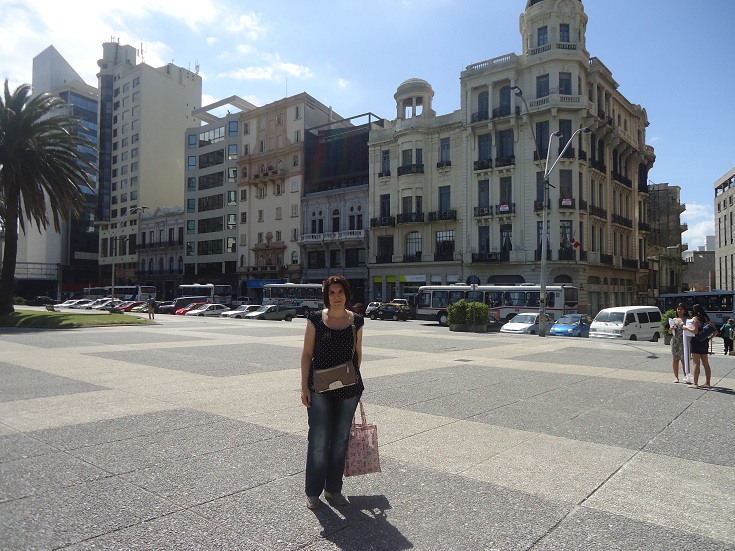
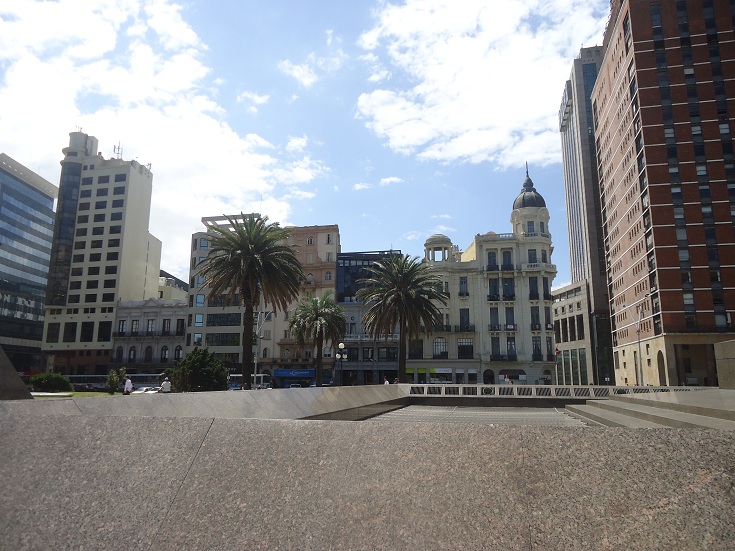
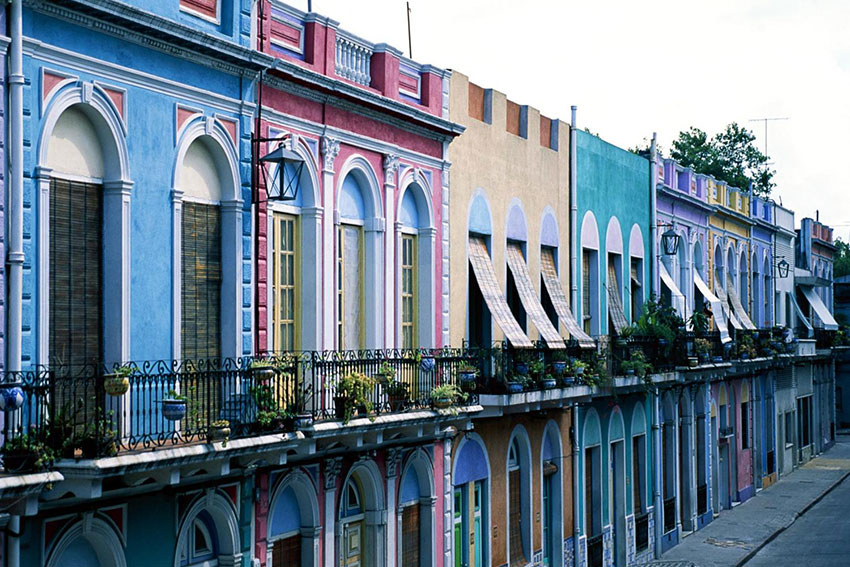
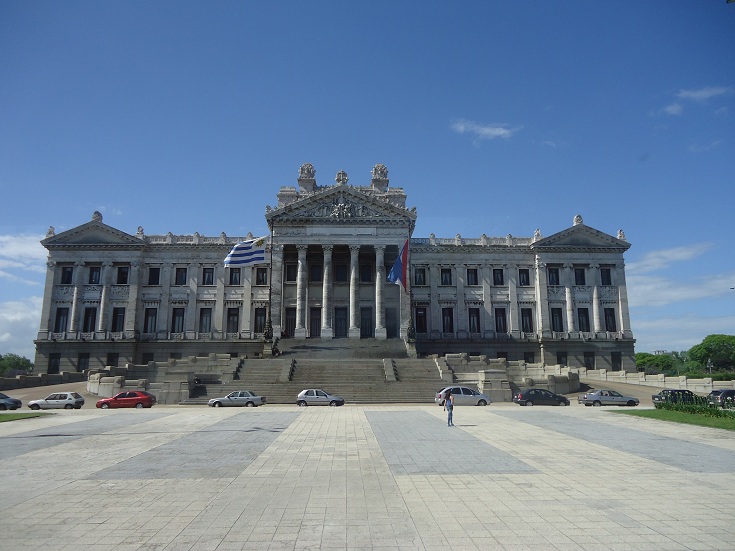
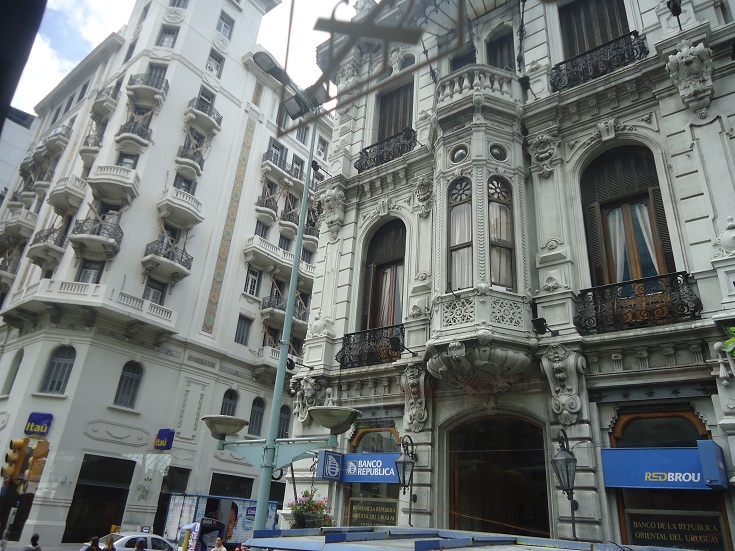
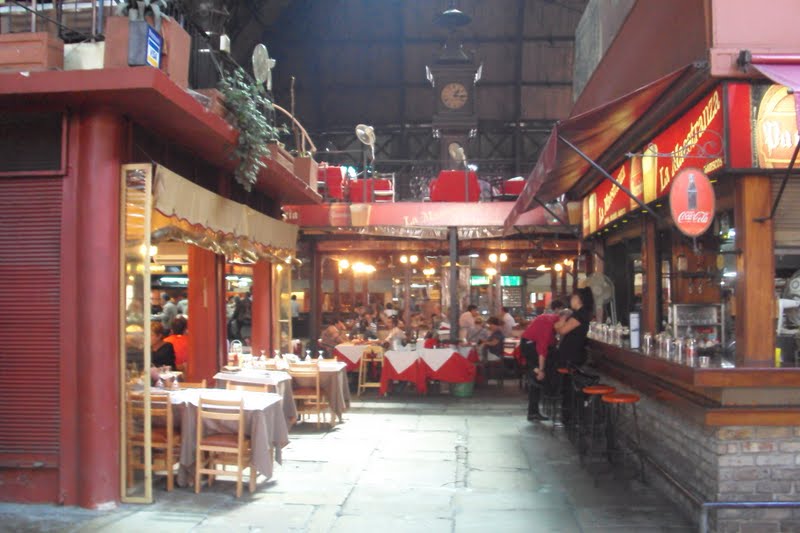
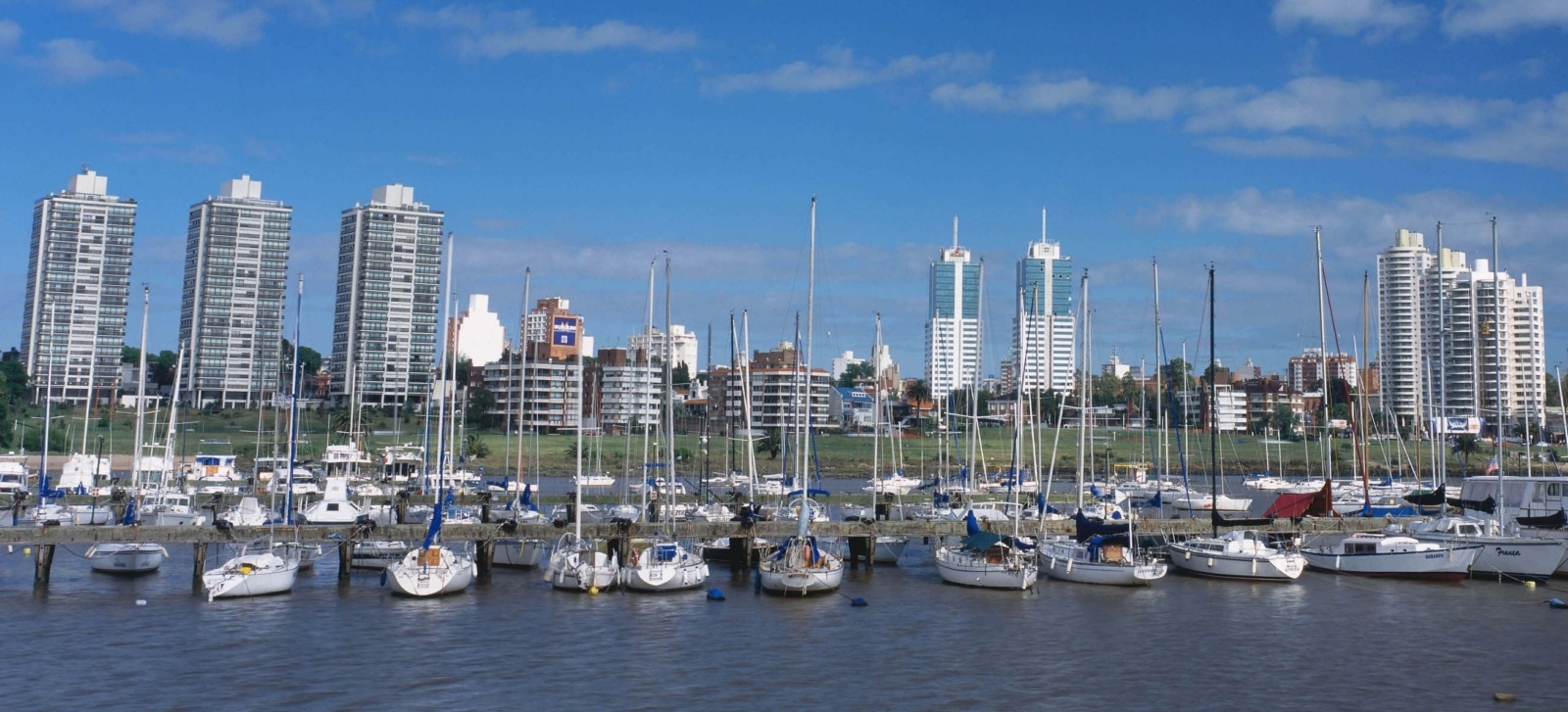
The capital, Montevideo is a very quaint, micro, European-esque city. Most of Montevideo is located along the Rio Plata, which extends almost around the whole city.

Rio Plata connects in fact two capitals, Buenos Aires and Montevideo, which you can easily reach by Boats, Buquebus, with 2 hour confortable navigation.

One of most interesting places of Montevideo is the Rambla, which is a promenade that extends 30km along the whole coastline of the city. There are many great bars and restaurants to visit, but although very touristy,

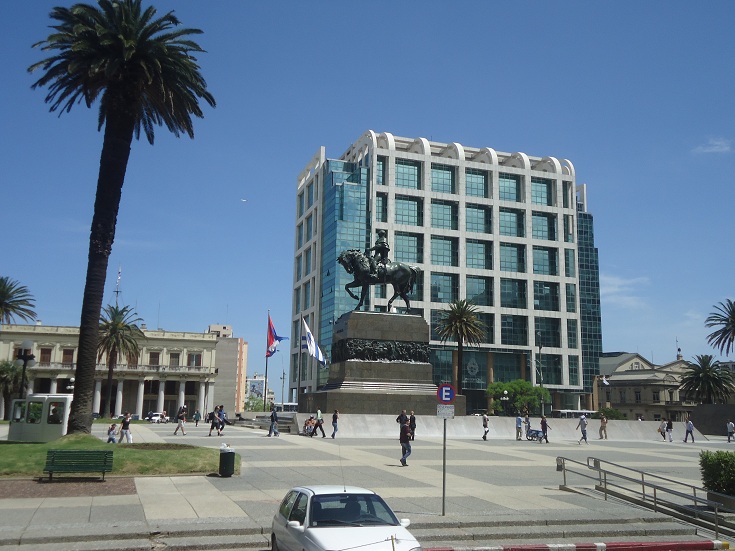
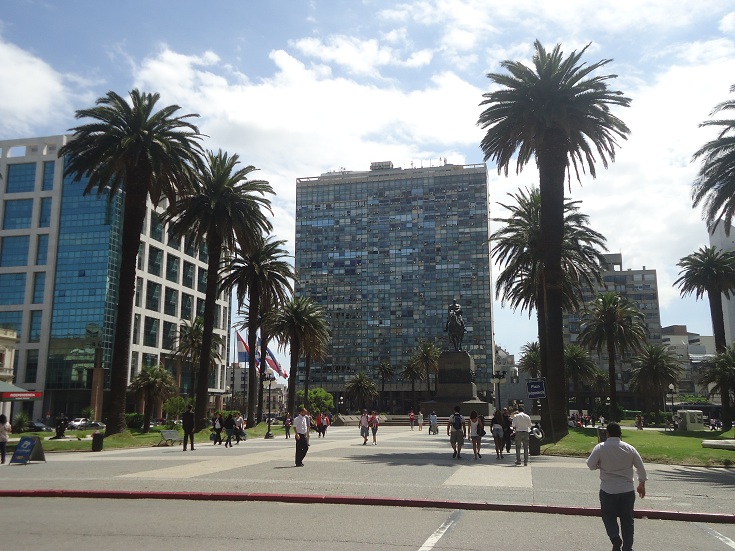
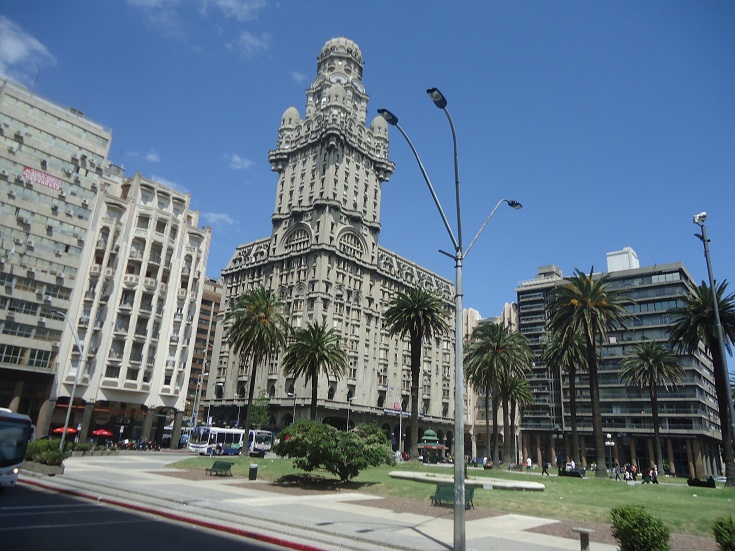
It’s possible to explore the centre and old town on foot. Founded in the 1720s, Montevideo is comparatively young, by Latin American standards – its architecture comprises a somewhat random and haphazard assemblage of Spanish colonial, Art Deco, Italian, and French styles.


The closer you get to the old town, the more interesting the sights. On 18 de Julio, you pass several picturesque squares, including Plaza de Cagancha and Plaza Fabini, followed by the biggest and best, Plaza de la Independencia.

Okidoki editorial staff December 2, 2017

MILAN, HANDICRAFT FAIR, December 2- 10, 2017

Take a city break to visit this fair which for at least 20years opens in the fair area of Milano at the beginning of December. Artigiano in Fiera is a unique opportunity to buy, see and touch hand-crafted creations from all over the world, all unique, original and of the highest quality, impossible to find anywhere else. But that's not all: you can enjoy a range of musical events, dance performances, show-cooking and try the best international cuisine, travelling the world in just 9 days!


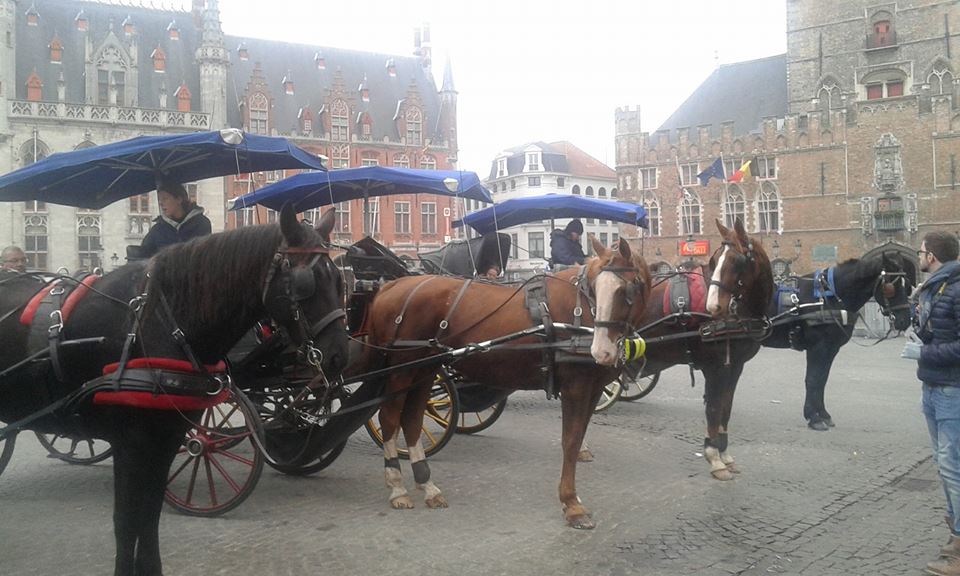
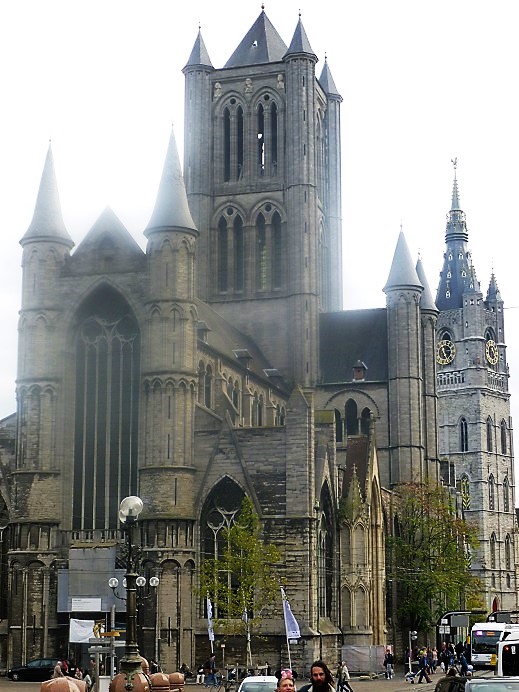
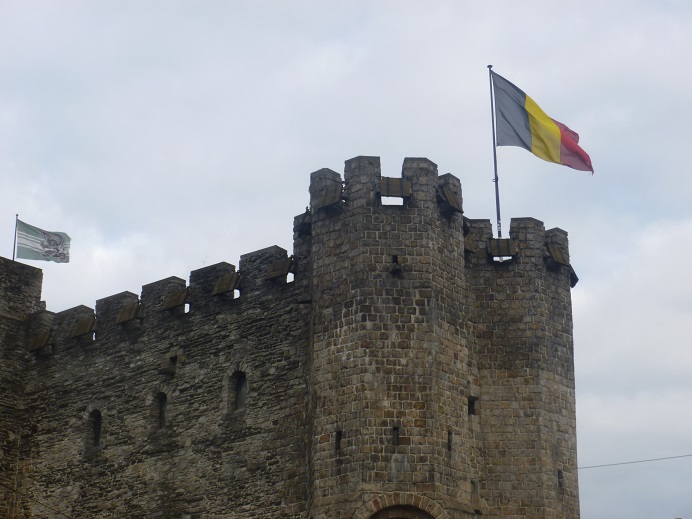
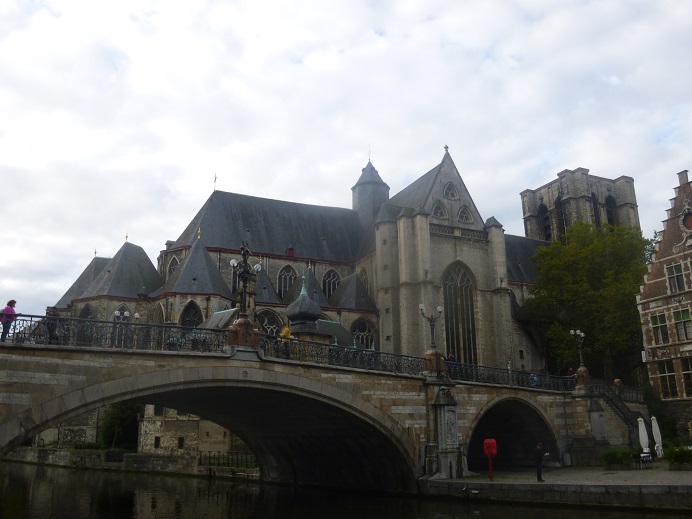
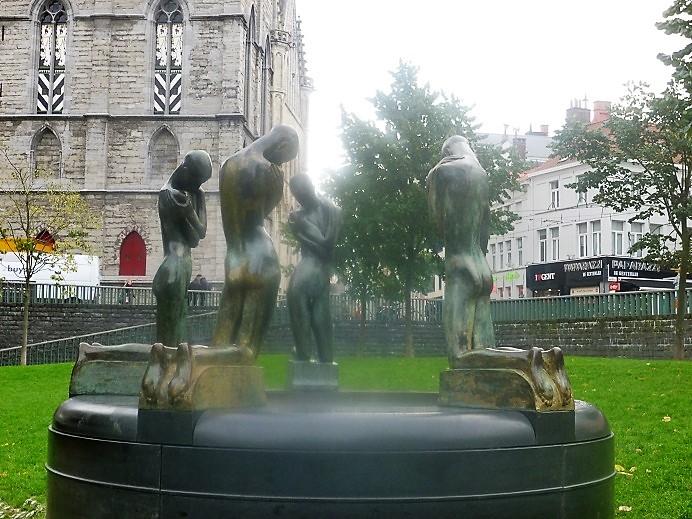
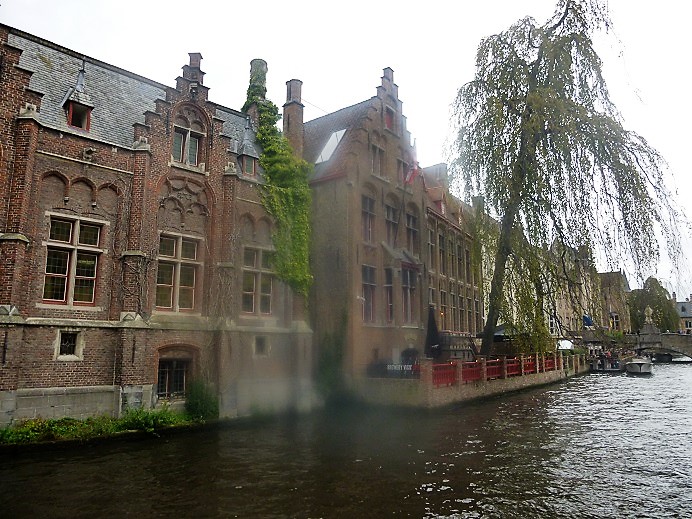
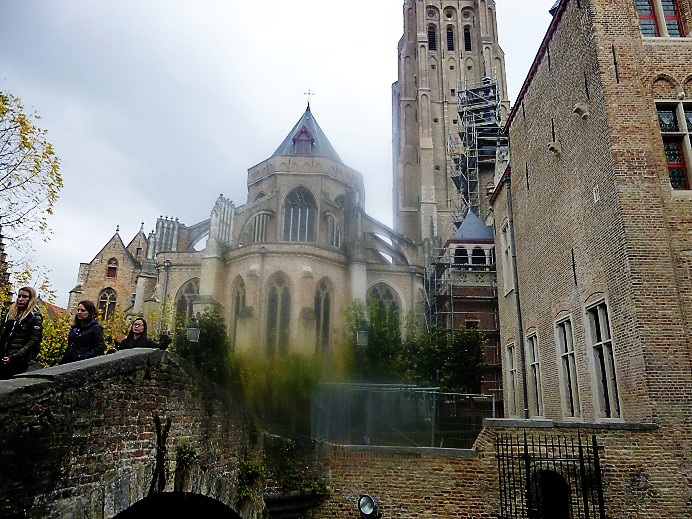
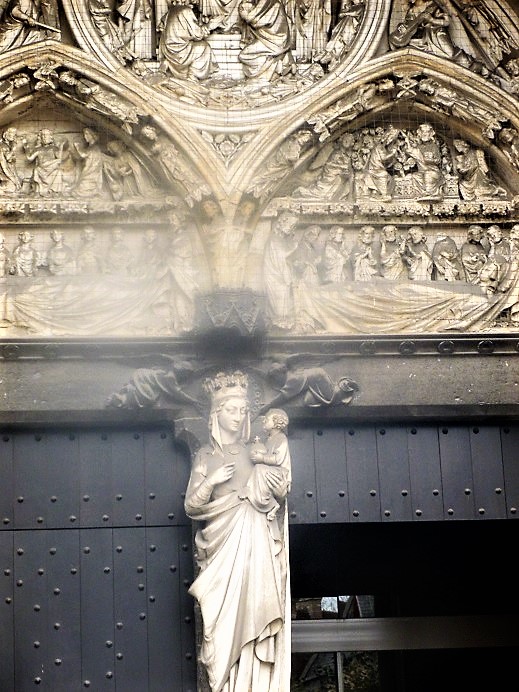
A visit of Belgium, starting in Brussels, is incomplete without also visiting its medieval Flanders towns GHENT and BRUGES, real historical pearls looking like fairy tail old places.


Okidoki editorial staff October 29, 2017

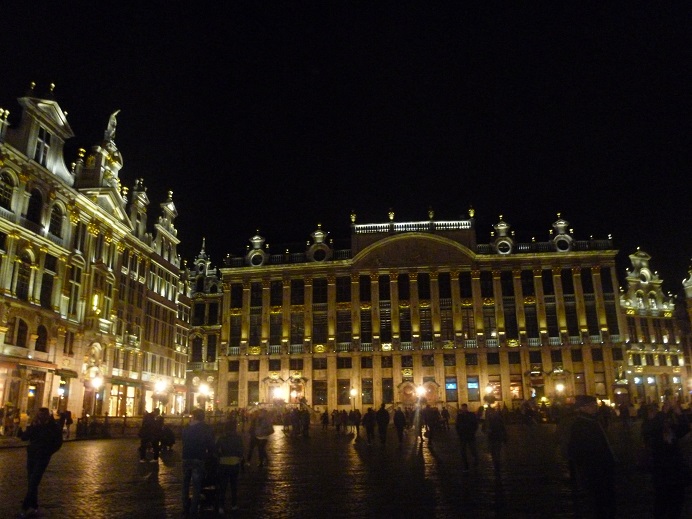
Bruxelles, capital of Belgium founded by union of territories pertaining to different nations, mainly Dutch, French, and a minority of Germans. Even if the country is divided in two main parts, the Flanders (Dutch) North, and French, South, the main spoken Language in Bruxelles is French, although written indications, advertisements, etc. are in both Dutch and French.

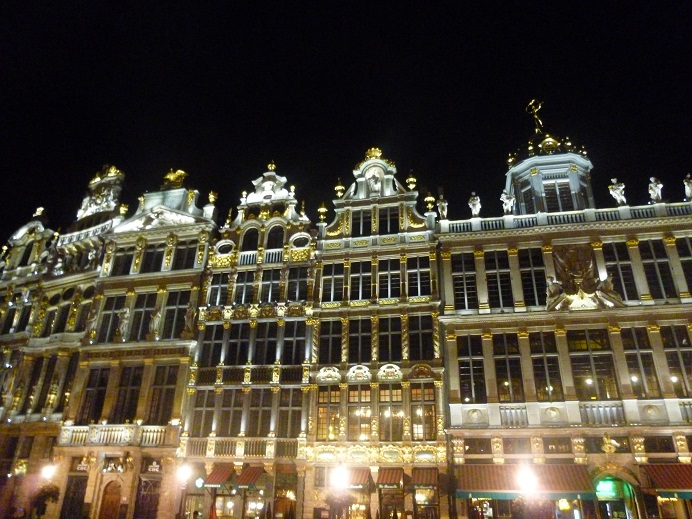
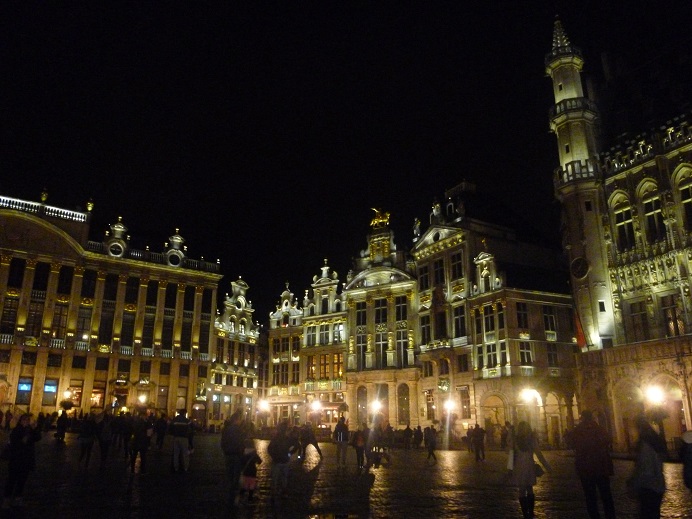
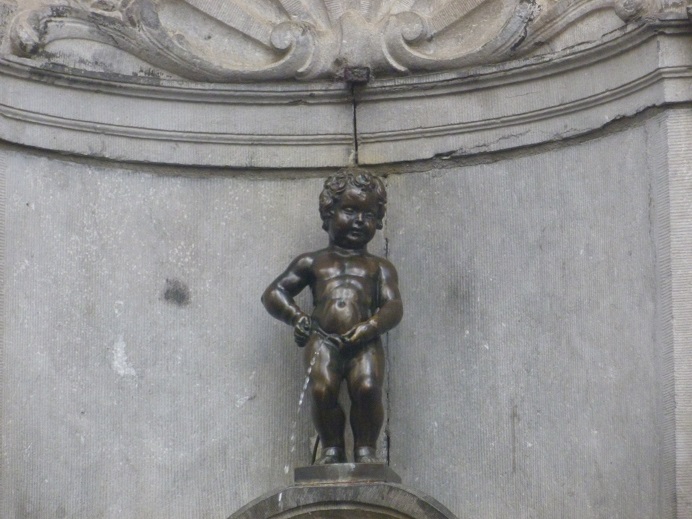
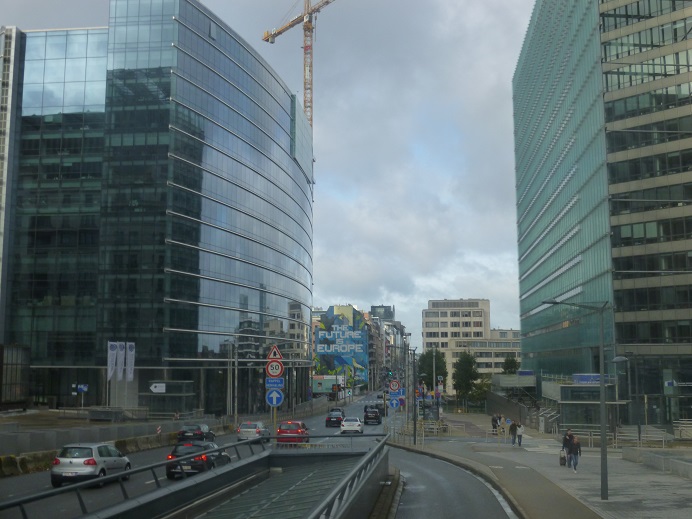
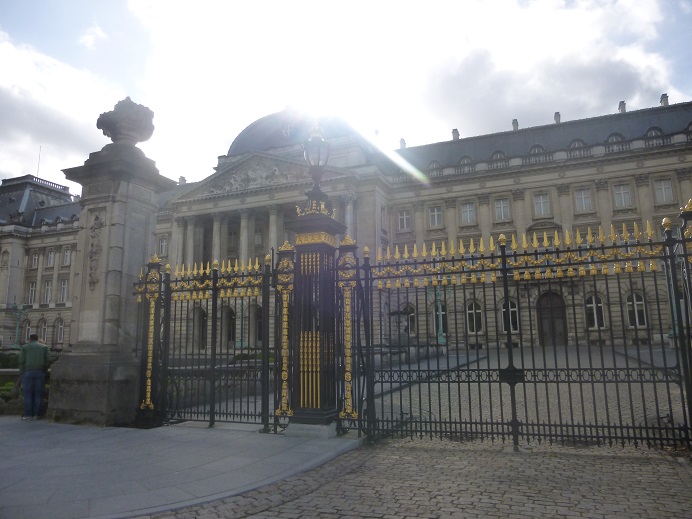
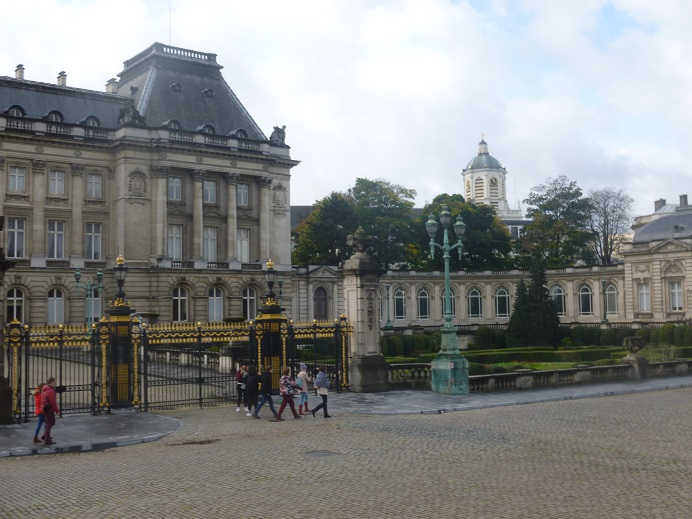
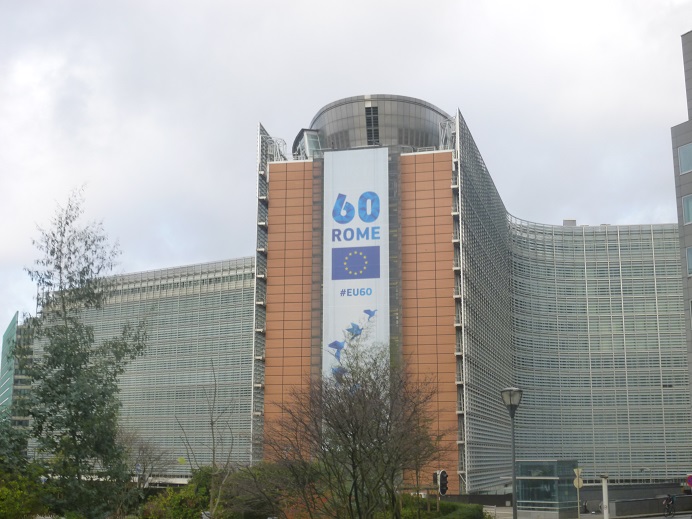
Bruxelles is also the European Union capital. In this double role. Bruxelles has imponent historical places and buildings, of the beginning of the century, such as Royal Palace, Arc de Triomph, Royal Theatre, Saint Michel and Saint Gudula cathedral, and as its symbol, the magnificent Gran Place and the small statue of peeing boy, Manneken Pis. Also its museum of Fine Arts is a must to see. As capital of European Union Bruxelles has also modern impressive buildings, site of the European Institutions.

Just an weekend might not be enough to visit this imposant city.

Argentina is not only Patagonia. Its northern part is also a major touristic destination.

Starting again at Buenos Aires latitude, a must is the Tigre Delta one of the only major deltas in the world that does not empty into a sea or ocean but into the Río de la Plata, which separates Argentina and Uruguay. With its islands and canals, Tigre is what Venice might have looked like before development.

Going north, there are the colonial Argentina cities plenty of architecture witnessing the Spanish domination of the country. The main colonial destinations include CORDOBA the country’s second largest city, best known for its concentration of Spanish colonial buildings to be found within an area known as the Jesuit Block.

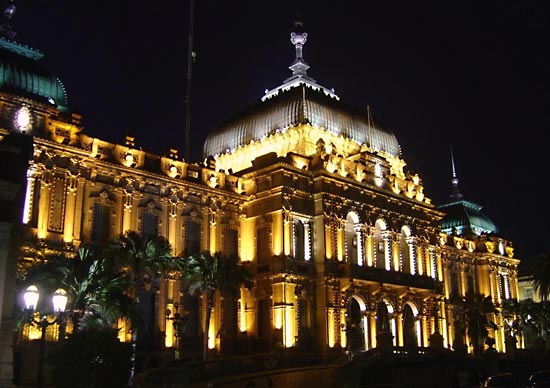
Continuing north-west, further colonial testimony are San Miguel de Tucumán and Salta, with its lovely historic town, one of the most beautiful cities in Argentina. Salta may also be the basis for visiting the salinas by one-day journey. The salt flats were once a lake that has now dried up, and the salt that remains is mined. The flats are at high altitude, to be reached after an uphill drive through reddish-brown rocks. Travellers experiencing the Tren a las Nubes also have the option to stop at the flats on the way back to the city.

Moving north-east, the unmissable wonder to see are Iguazu Falls, one of the world’s most stunning natural wonders, straddling the border between Brazil and Argentina. The falls area and wildlife are protected by the Iguazu National Park. The visit is a jaw-dropping, visceral experience, and the power and noise of the cascades live forever in the memory.

Find travel mates and travel operators on our site for organizing your visit in Argentina.

Okidoki editorial staff October 2, 2017

Going south from Buenos Aires you go to PATAGONIA, home to the MOST RENOWN touristic places of Argentina, to see coastal treasures, ancient forests, dazzling glaciers and incredible wildlife.


Along the Atlantic coast the city of Puerto Madryn is known gateway to Peninsula Valdes. Both are a destination for Whale Watching as the Southern Right Whale uses the waters of Gulfo Nuevo for breeding and giving birth. From July to September the whales can be viewed from the mainland. Reserva Faunística Península Valdés: Unesco World Heritage is one of South America’s finest wildlife reserves, by being home to sea lions, elephant seals, guanacos, rheas, Magellanic penguins and numerous seabirds and, above all, the endangered ballena franca austral (southern right whale).


Leaving behind the Atlantic coast by turning inland, you arrive to El CALAFATE, on Lago Argentino, bringing you to the Pacific coast and the Los Glaciares national Park. This is the base for excursions to the famous Perito Moreno glacier -in constant advance by creeping forward up to 2m per day, causing building-sized icebergs to calve from its face. Other famous mountains in the park for trekking are Fitz Roy and Cerro Torre.


Continuing south, you cannot miss the cave Cueva de las Manos, around 165km south of the town of Perito Moreno, where, in 1972, archaeologists found 9,000-year-old stencilled handprints and galloping guanacos painted by ancient peoples.

If wishing to reach the el Fin del Mundo (End of World) you cango to Tierra del Fuego and its capital, Ushuaia, precisely the Fin del Mundo, for example by a 20 minutes ferry ride crossing of the Magellan Straits at Punta Delgata. From Ushuaia you can take a boat cruise to explore glacial offshoots and wild southern landscapes close to the edge of the continent, beyond which only Antarctica lies. Add Canal Beagle might be one such cruising destination.

Okidoki editorial staff September 26, 2017

Let’s start our virtual visit of this huge country, second largest in South America, and the largest Spanish-speaking one, which offers a broad range of choices between history, culture, architecture and impressive natural landscapes going from icy mountains, to ocean whale watching, by going through natural parks, canyons, salt deserts.

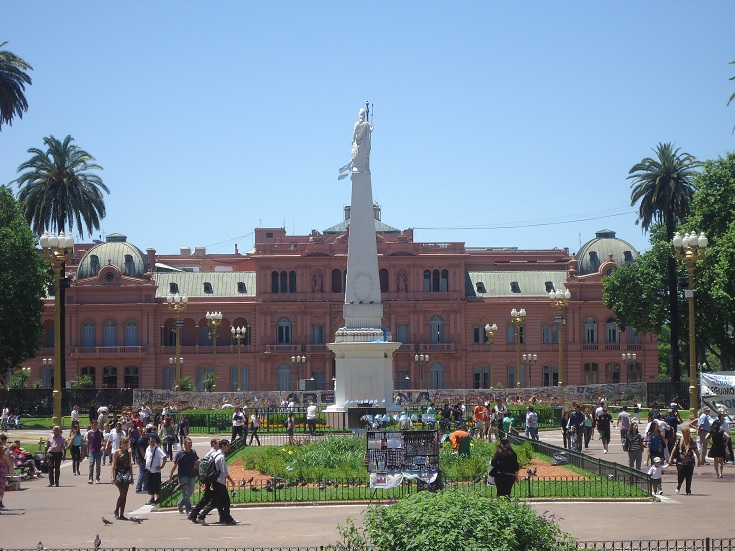
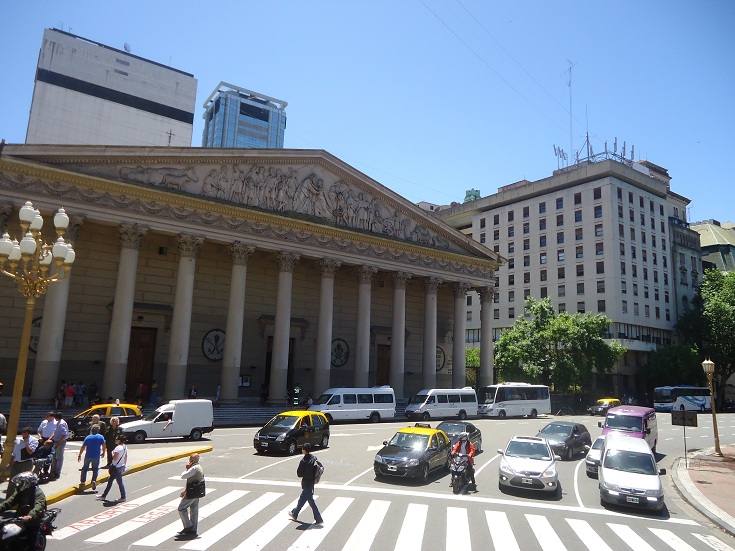
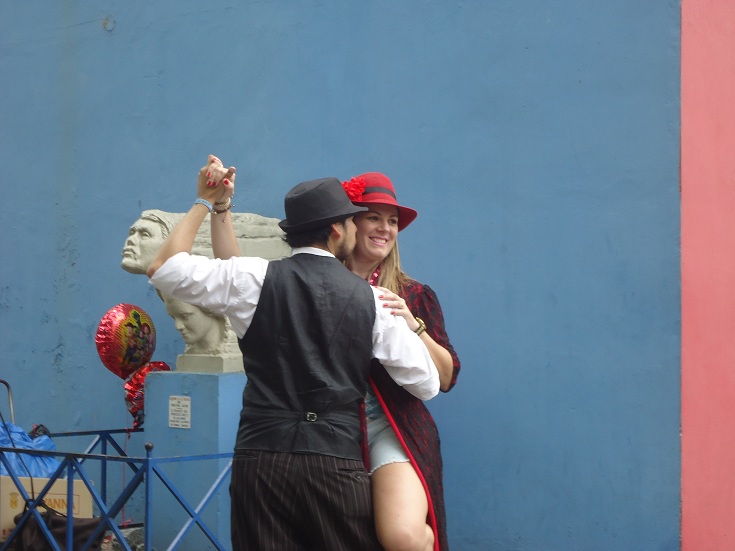
The best starting point is its capital Buenos Aires, entry port to the country. Buenos Aires shows proudly its various facets, from modern skyscrapers to colonial quarters, its places of historical memories, its political institutions, such as Casa Rosada, its Recoleta Cemetery where Evita Peron is buried, its monumental Plaza de Mayo, its incomparable Asado beef, and, mostly and above all, its unequalled tango-dancers whom you can admire not only in milongas (tango dance clubs) but also, and passionately, on many streets of the city.

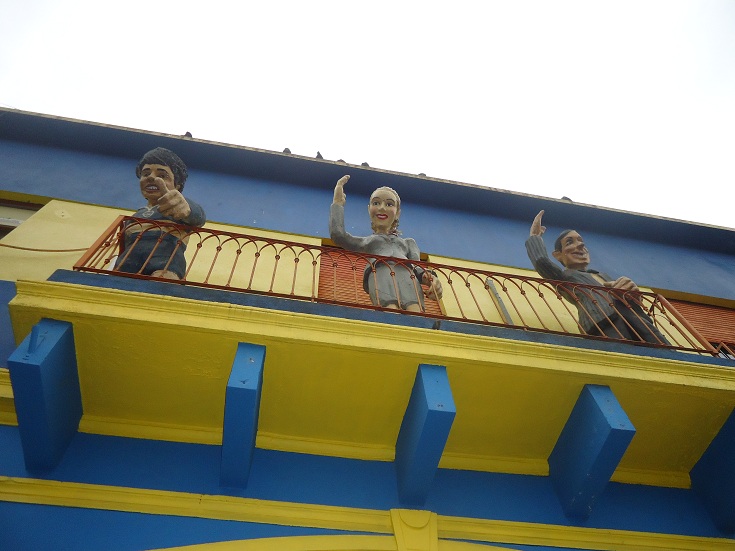
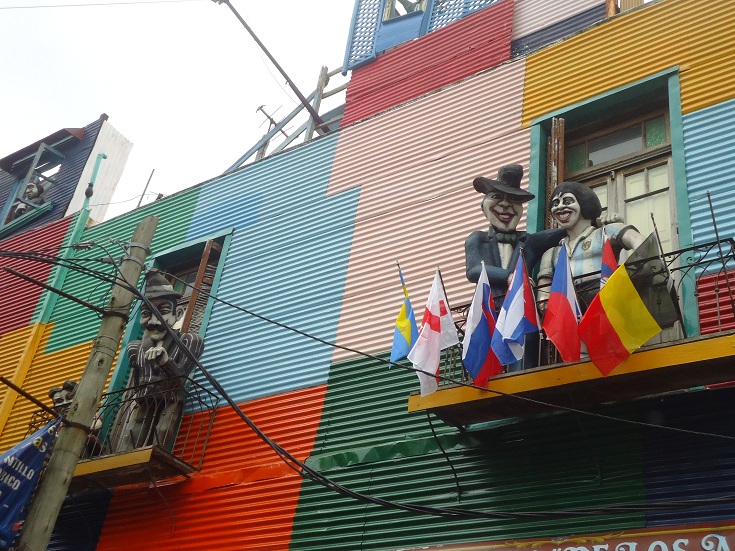
Buenos Aires retains a strong European flavour, having preserved Spanish/European-style architecture and European origin population. Since many of its early settlers were from the Italian city of Genoa, they left a testimony of their settlement which is now the most picturesque and colorful touristic area called La BOCA.